
I had forty-three items of clothing and nothing to wear. I know because I counted, approximately two days before I finally emptied the whole closet onto my bed and didn’t put most of it back.
Decluttering your closet sounds dramatic. The reality is most people find it deeply satisfying — once they get past the first ten minutes of wanting to put everything back immediately.
Here’s the thing: the reason closet decluttering feels so hard isn’t the letting go. It’s that most people start without a method and end up moving things around instead of actually deciding anything.
This is the afternoon-sized version. No weekend required.
Table of Contents
Why Closet Decluttering Feels So Hard (It’s Not What You Think)

The problem isn’t sentimental attachment or decision fatigue — though those are real. The main problem is that most people try to declutter while everything is still hanging in the closet. You end up moving hangers, thinking “maybe,” and putting things back in approximately the same spot.
You can’t properly evaluate something while it’s still in its home. The item needs to come out. You need to hold it, look at it, and make a real decision. This is why the method matters so much.
Honestly? The closet feels overwhelming because you can’t see most of what’s in it. Things hiding behind other things, shoved to the back, forgotten since last winter. Getting it all out removes the hiding.
Ten Minutes of Prep That Changes Everything
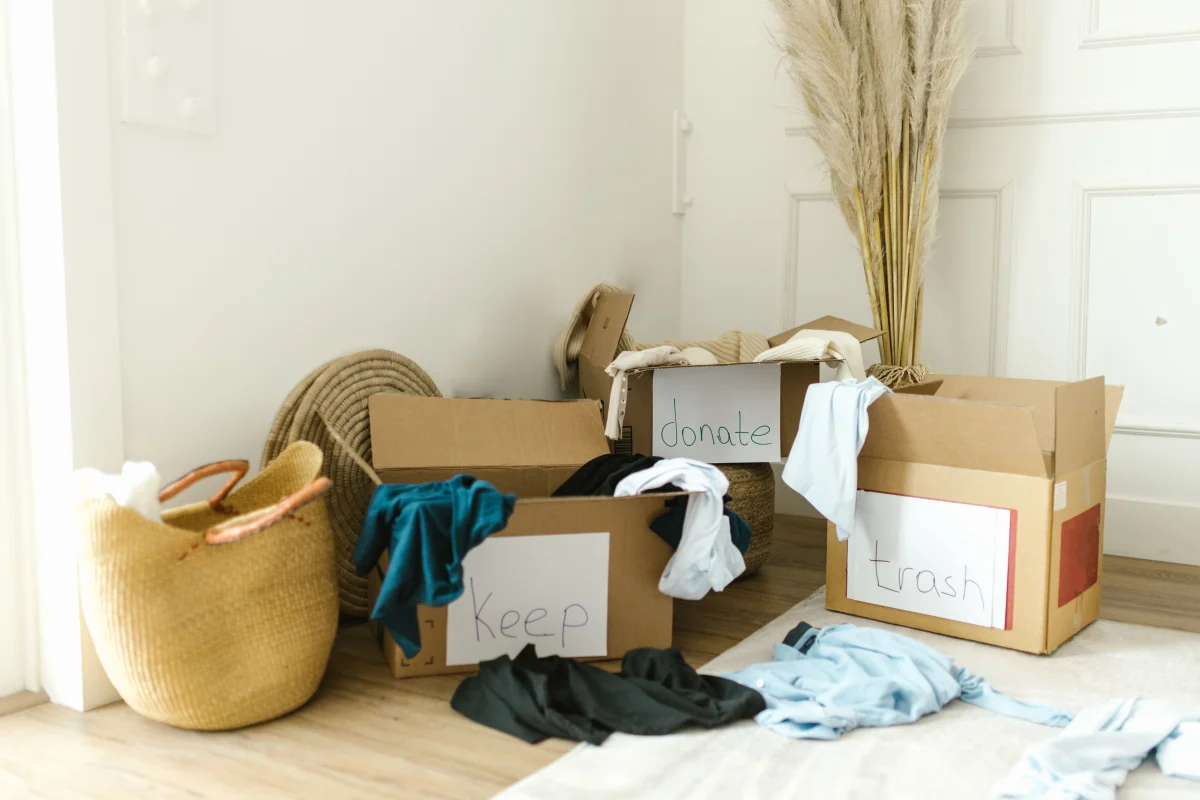
Before you touch a single item: get four bags or boxes labeled Keep, Donate, Trash, and Unsure. Clear a space on your bed large enough to hold the entire contents of your closet. Set a timer for three hours — that’s your afternoon.
Put on music or a podcast you only listen to while doing tasks. Make coffee. Treat this like a project with a start and an end, not an open-ended emotional ordeal.
The Unsure box is important. Things you can’t decide on today go in there, not back in the closet. Seal it, label it with a date three months from now. If you haven’t opened it by then, donate it without looking inside.
The Only Sorting Method That Works

Take everything out. Not some things — everything. Coats, shoes, bags, the things shoved on the top shelf in 2022. All of it comes out and goes onto the bed or floor.
Now sort by category, not by decision. Tops together, bottoms together, dresses, jackets, shoes. This is just organizing the chaos so you can see what you actually have.
The moment most people have is right here: “I have eleven black t-shirts.” Or “I forgot I owned this.” Seeing everything in a category at once makes the decisions much easier. You’re not choosing whether to keep one item — you’re choosing which five of eleven to keep.
Getting Honest About Clothes
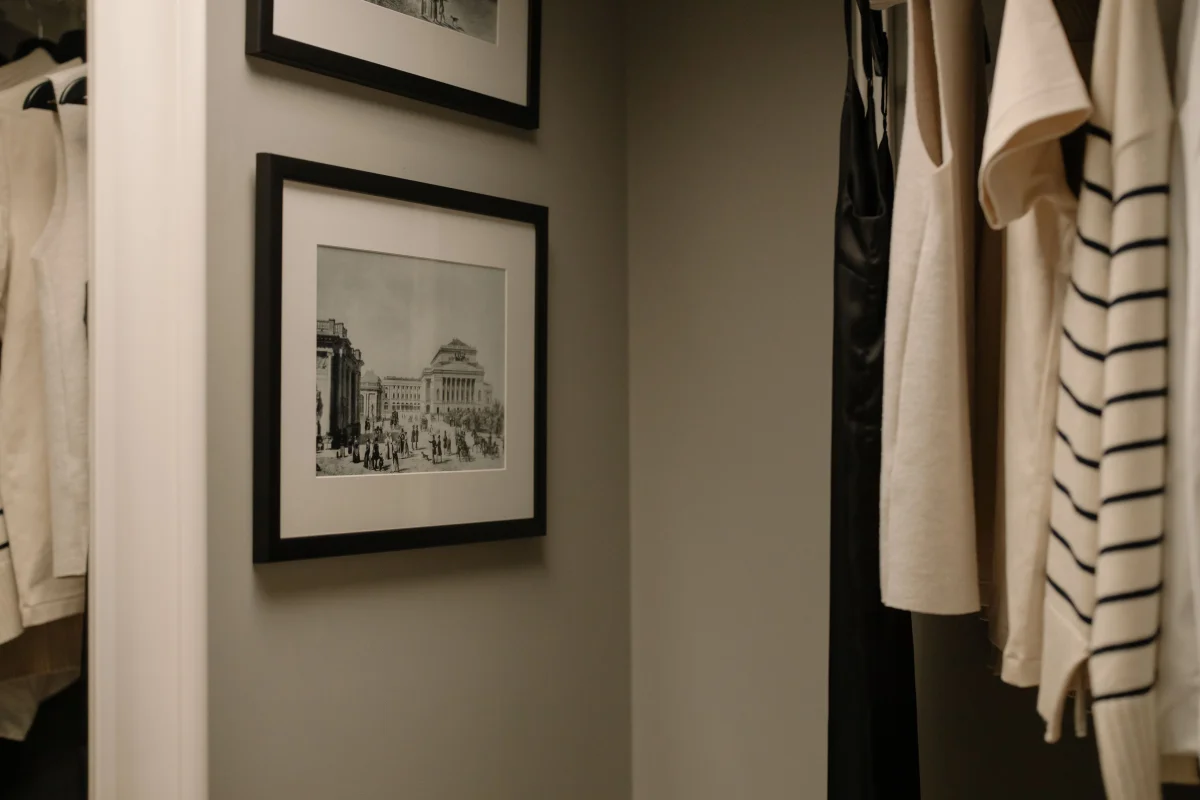
For each item, three questions. Does it fit right now, today, as I am today? Do I actually wear it, or do I keep moving it to the back? Would I buy it again if I saw it in a shop?
If the answer to any of those is no, it goes in Donate or Trash. Not “maybe once things change.” Not “I might need it someday.” The guilt items — gifts, things you spent a lot on, things with memories attached — those go in Unsure. You don’t have to decide today. But they don’t go back in the closet either.
When you declutter your closet this way, you’re keeping only what you’d genuinely reach for. Everything else is just making it harder to find the things you actually love. According to Good Housekeeping, most people regularly wear fewer than 20% of the clothes they own.
Shoes, Bags, and the Top Shelf Problem
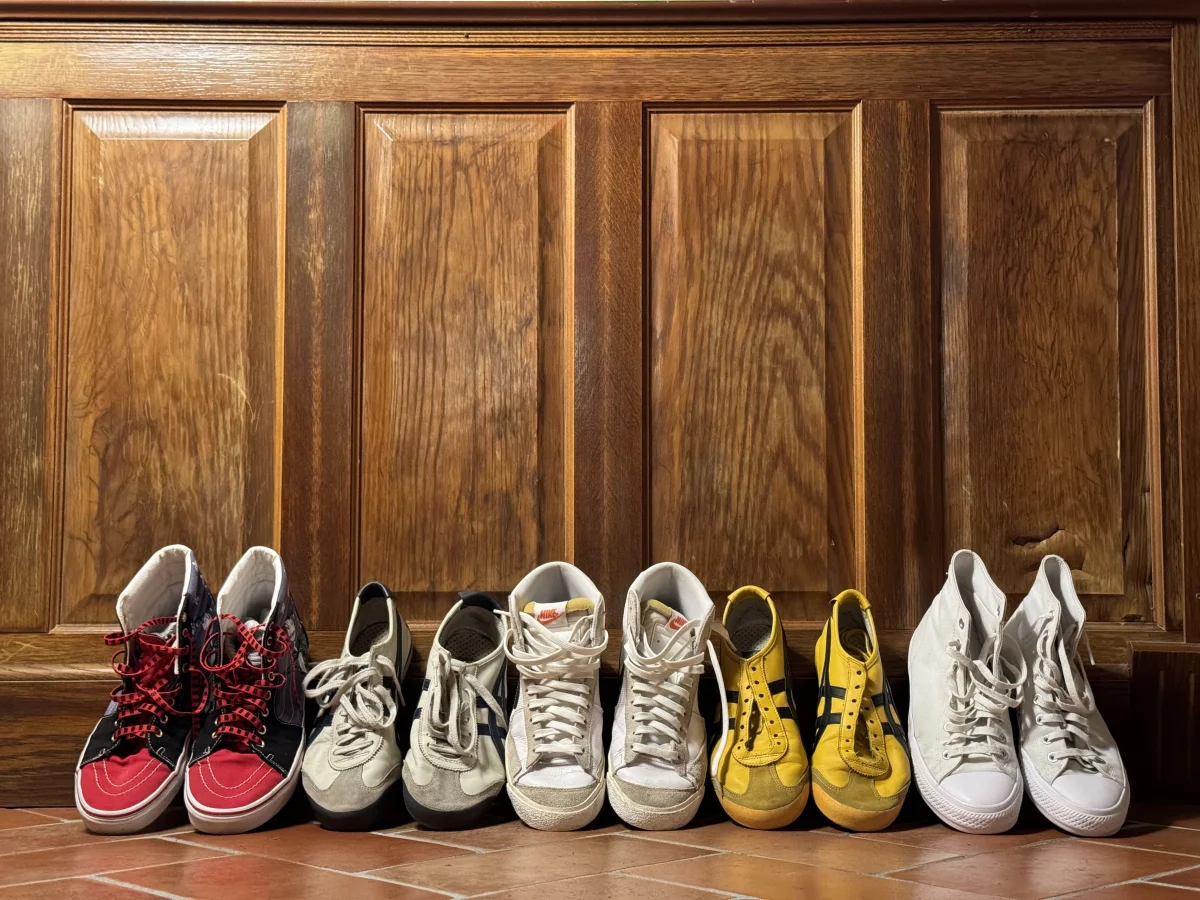
Shoes are where most people underestimate. Lay them all out and pair them properly. Any pair with broken heels, worn-through soles, or that you haven’t worn in over a year: Donate or Trash. Unworn shoes take up a huge amount of closet floor space and the guilt of seeing them every day is its own kind of clutter.
Bags: empty every single one before deciding. You’ll find hair ties, old receipts, and possibly money. Keep the ones you use regularly and the one good bag for formal occasions. Everything else is ballast.
The top shelf is almost always a graveyard. Pull everything down. Things stored out of easy reach are things you’ve already unconsciously decided not to use. Treat them accordingly.
Putting It Back: The Part Everyone Rushes

This is where the afternoon pays off. You’ve removed the clutter. Now organize what’s left intentionally, not just by what fits.
Group by category and frequency. Daily-wear clothes at eye level, easy to reach. Occasion wear and seasonal items higher up or further back. Shoes on the floor organized by how often you wear them — the ones you reach for every day closest to the door.
Leave space. This is the part that feels strange at first — hanging things with actual room between them, not packed in. That space is the whole point. It’s what makes decluttering your closet feel different from just reorganizing the same amount of stuff. If you want to keep this energy going through the rest of your home, this post on why homes feel cluttered is the natural next read. And a simple weekly cleaning schedule helps keep everything lighter once you’ve done the hard work.
Real talk: You will not miss most of what you donate. The clothes you agonize over are almost never the ones you wear. The ones you wear, you already know. Everything else is just taking up space and making you feel like you have nothing to wear — because you can’t find anything good in all the noise.
Once everything is back in and the donation bag is by the door (put it in the car tonight, not tomorrow), take a photo of your closet. Not for social media — for yourself. For the next time it starts creeping back toward full.
If the rest of your home needs the same treatment, start with a daily reset routine — a lighter closet and a lighter home make each other easier to maintain.
Frequently Asked Questions
How do you declutter a closet without getting overwhelmed?
Take everything out first, then sort by category. Working with everything visible — rather than pulling items one at a time from the closet — makes decisions much easier and faster. Set a three-hour timer and treat it as a project with an end point.
How long does it actually take to declutter a closet?
Most people finish in two to four hours. The prep (getting boxes, clearing space) takes ten minutes. The sorting takes the longest. Putting things back goes fast once you’ve made decisions. One focused afternoon is genuinely enough for most closets.
What is the best method for decluttering clothes?
Take everything out. Sort into categories. For each item: does it fit, do I wear it, would I buy it again? If any answer is no, it goes. Use an Unsure box for things you can’t decide on rather than putting them back in the closet.
How many clothes should I actually own?
There’s no universal number, but a useful test: can you see and access everything you own? If things are hiding behind other things or you forget items exist, you probably own more than you can use. Most people find 30-50 items of clothing per season is plenty.
What do I do with clothes I can’t decide on?
Put them in a sealed box labeled with a date three months from now. If you haven’t opened the box by then, donate it without looking inside. This removes the guilt of immediate decisions while still moving things out of your closet.
Should I declutter by season?
Doing your whole closet at once is more effective than seasonal decluttering because you can see everything together. After the initial clear-out, seasonal reviews (30 minutes per season) keep things from creeping back up.
How do I stop my closet from getting cluttered again?
One in, one out: when something new comes in, something goes out. Store the donation bag somewhere accessible so it’s easy to add to. And when the closet starts feeling full again — not completely packed, just full — that’s the signal to do a quick pass.
Is it better to donate or sell unwanted clothes?
For most people, donate. Selling requires time, photos, listings, and shipping — it turns a decluttering project into a side job. Set aside anything high-value for selling, then donate everything else the same day. Speed matters more than maximizing return.